What Happens on Exam Day

You’re all booked in. You know your pieces back to front. Now what?
Good preparation goes a long way to helping you feel calm and confident on exam day. We’ve put together a useful guide packed with everything you need to know – from what to bring with you, right up to what you can expect after.
1. Leave Enough Travelling Time
You should plan to arrive at least 20 minutes before your allocated exam time. Check train times and traffic updates in advance. If you arrive late, you may not be able to take your exam – which means you’ll need to rebook and pay your exam fee again.
Check that you have everything you need, including:
- Learner Examination Report – make sure it’s all filled in and ready
- ID – if you’re 16 or over on the day of the exam
- Legible copies of the pieces you’re performing
- Any equipment or props you need for your exam
2. Remember Your ID and Forms
If you’re taking an exam which asks you to choose your own pieces, you need to use your Learner Examination Report (also known as an LER) to tell us what you are performing.
In the space provided, write the titles of the pieces, the writers’ names and the names of the characters. Make sure that you also bring a legible copy of the text along with you for the examiner to see.
If you’re 16 or over on the day of your exam, you will need to bring ID with you.
If you’re 16 or older on the day you take your exam, your Learner Examination Report (LER) will have the following line printed on it: “This learner is required to present acceptable identification prior to commencement of their examination.”
Please bring one of the following, to identify yourself when you register your arrival at the centre:
- A current passport
- A current driving license
- HM Forces Services ID
- Travel Pass (Railcard or Zip Oyster)
- PASS card
- Biometric residence card
- NUS card
You must bring your ID with you to the centre. We cannot accept photocopies, photos, or duplicates.
If you are concerned that you may have issues with providing the necessary ID, please review our Learner Identity Verification Policy.
For assistance, contact the LAMDA Exams Team.
3. Check Your Props and Exam Requirements
Some of our exams have specific requirements that learners must adhere to when it comes to equipment, props and backing tracks.
If you require any equipment or props for your exam, you’ll need to check that you have brought them with you and that they are working.
We don’t provide musical or sound equipment, pianos, keyboards, page turners or accompanists – so if you’re planning on using these in your exam, make sure you have all of this arranged beforehand. Remember to test that any audio/visual material that you’ll need during the exam is accessible offline.
It’s essential that you check the relevant syllabus to ensure you’re aware of the regulations and requirements of your exam.
What you need to bring will depend on which exam you are taking.
We advise you check the syllabus carefully to see what you need. Sometimes you’ll be asked to bring a specific prop, like your favourite toy, and other times you might need something like a sound system so you can have a backing track for your performance.
No matter what exam you’re taking, you will need to bring your Learner Examination Report, legible copies of the pieces you are performing, and plenty of passion!
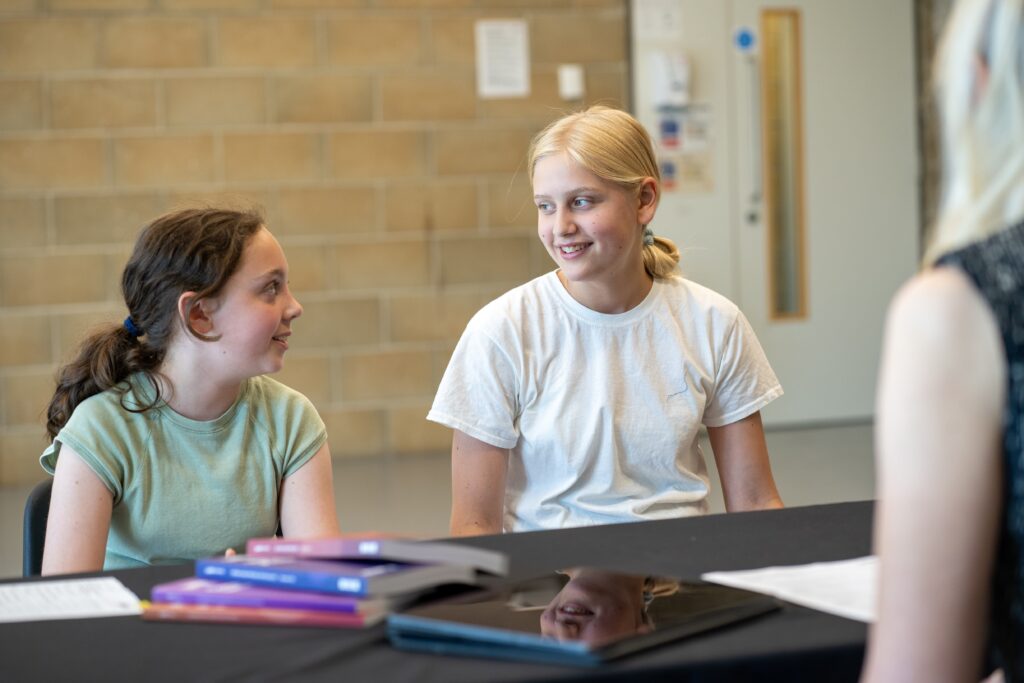
4. When You Arrive
As soon as you arrive in the centre, go to the registration desk and tell them who you are and what exam you are taking.
Once you are signed in, you will be asked to wait. Take a seat. Go over your pieces again, or just relax.
When your examiner is ready for you, a steward will call your name. They will take you to the room where you will be doing your exam and introduce you to the examiner.
5. During the Exam
Your examiner will guide you through your exam. Remember to tell them which exam you’re doing and introduce the pieces you’re performing.
When you’ve finished your pieces, the examiner will ask you a few questions. You’re encouraged to ask for questions or instructions to be repeated if they are unclear to you. The examiner will be happy to rephrase any questions or instructions if necessary.
6. After the Exam
That’s it! One of the stewards will take you back to the waiting area and then you’re free to leave.
Your examiner will forward their report to us. We’ll check that everything is in order and send your results out within 6 weeks of the exam event finishing. Find out more about receiving your results.